









 English
 Español
 Russian
Every art form has a canon — a body of work that defines its possibilities and sets the terms for everything that follows. Cinema's canon was established in the 20th century by filmmakers who were inventing the language as they went: Welles, Wilder, Kurosawa, Hitchcock, Ford, Godard, Fellini. To watch their films is not merely to observe history — it's to understand where every modern film came from.
The Case for Classic Cinema
Why these films still matter — and still surprise
New viewers often approach classic films with the worry that they'll feel dated — slow, stagey, naive by modern standards. The opposite is usually true. Films that have survived 50 or 80 years have survived because they contain something genuinely irreducible: a performance, a structural innovation, a scene that simply could not be done better. They invented the techniques that modern filmmakers take for granted, and watching them is like reading the dictionary of cinema.
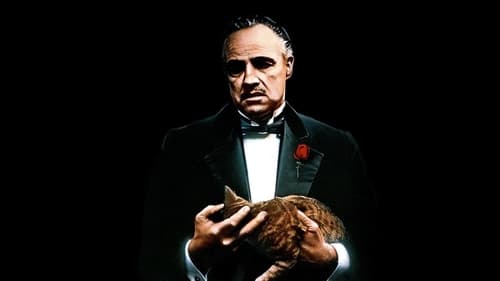
Citizen Kane (1941)
Orson Welles' debut feature remains the most technically inventive film ever made. Deep focus photography, non-linear narrative, unreliable perspective — Welles invented or refined almost every technique modern filmmakers use, at 25 years old. 'Rosebud' is cinema's most famous MacGuffin, but Kane's real subject is the impossibility of ever truly knowing another person.
▶ Watch on CineMania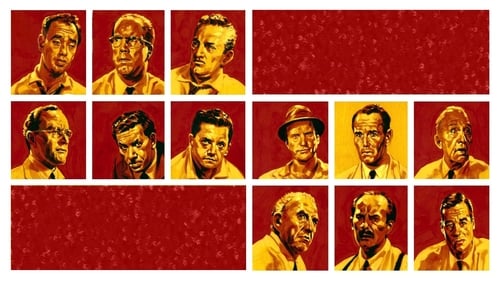
12 Angry Men (1957)
Sidney Lumet's debut feature is set almost entirely in one room — 12 jurors deliberating a murder case. Shot with increasing claustrophobia as the film progresses (wider lenses at the start, tighter at the end), it's a masterclass in how cinema can work through pure character and dialogue. Henry Fonda's lone holdout is one of film's great moral stands.
▶ Watch on CineMania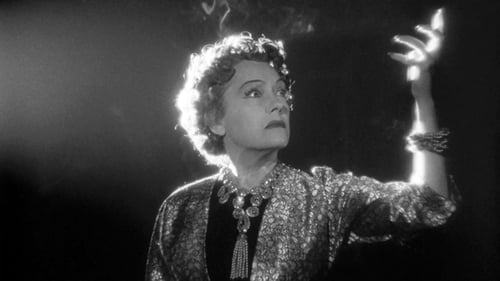
Sunset Boulevard (1950)
Billy Wilder's Hollywood gothic begins with a dead man floating in a swimming pool narrating his own story. Gloria Swanson's Norma Desmond — the faded silent film star refusing to acknowledge she's been forgotten — is one of cinema's most operatic and heartbreaking characters. A film about obsolescence, delusion, and the cruelty of celebrity culture that has aged perfectly.
▶ Watch on CineManiaThe classics are the films that invented the vocabulary we still use to talk about cinema. Watching them isn't homework — it's archaeology.
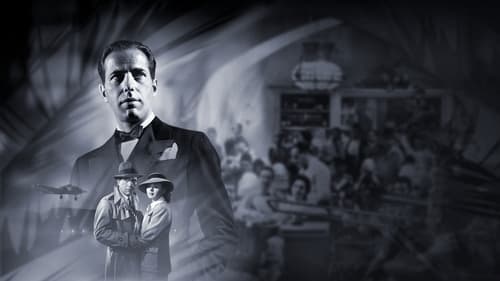
Casablanca (1942)
Michael Curtiz's wartime romance has earned its reputation through sheer emotional efficiency. Humphrey Bogart and Ingrid Bergman generate chemistry of rare electricity; the script produces a quotable line every three minutes; the final airport scene is one of cinema's most perfectly constructed moments. No film has been quoted, referenced, and homaged more. For good reason.
▶ Watch on CineMania
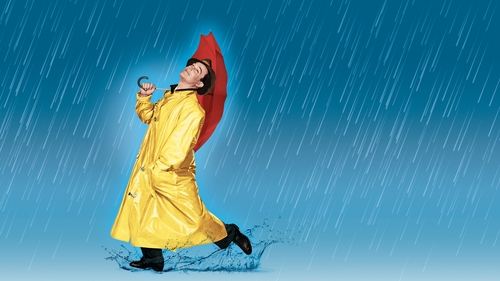
Explore Classic Cinema on CineMania
The greatest films from Hollywood's Golden Age and beyond — streaming now in restored HD.
▶ Browse Classic Films